
When love can’t put things back on track, it finds a new way to keep going
Uncle Brandon was a car enthusiast, but there was no 'tuning' Parkinson's
Written by |

For a long time, I saw Parkinson’s disease as a problem that just needed the right fix. Like a car that had stalled or hit a rough patch, I thought it could be tuned until it ran smoothly again.
My Uncle Brandon had faced tougher challenges before. He wasn’t someone who gave up easily. If something went wrong, he fixed it. If something broke, he rebuilt it. He always kept his cool. So when Parkinson’s entered the picture, I believed he would find a way through it with his usual determination.
We repeated the usual reassurances. He just needs rest. It’s only stress. Once we adjust his medication, things will get better. If we encouraged him, supported him, and showed him enough love, surely things would settle down. Surely everything would run more smoothly. Love can make you believe that things will soon get back on track. But Parkinson’s does not respond to optimism alone.
The moment everything changed wasn’t dramatic. It was quiet and easy to overlook. My uncle loved going to the drag strip. He enjoyed the rumble of engines, the smell of rubber, and the excitement at the starting line. He came alive in that atmosphere, whether he was there or working on his ride at home. He was loud, energetic, and always had something to say.
Then one day, he decided to stay home.

A big change goes quietly
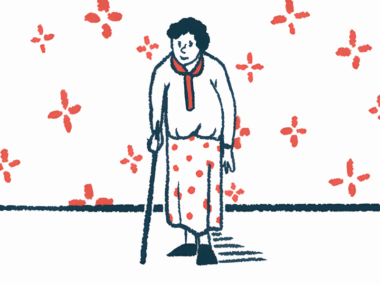
There was no big announcement or obvious change. He just decided it was easier to stay home than to put in the effort to go to the track, focus, and manage his symptoms in front of others. That’s when I realized something important had changed. It wasn’t just that he was tired; he was adjusting his life to what his body could handle now that his motor symptoms had progressed.
For someone who valued calling the shots, this was a big change. It was a quiet letting go. That day, I saw things differently. I realized it wasn’t about fixing him anymore. It was about adapting alongside him. I stopped waiting for things to get better the way I used to. I started learning what it meant to endure.
Caregiving changed as well. It became less about giving pep talks and more about simply being there. Instead of always pushing ahead, we learned to pace ourselves. Strength started to mean something new. It meant helping him quietly keep his dignity. It meant changing our expectations without making a big deal out of it.
It also meant realizing that I needed care, too. Caregiving can consume you if you’re not careful. You can become so focused on watching for symptoms and meeting needs that you forget about yourself. I learned to make time for small breaks. A quiet drive, a walk alone, prayer, or just sitting in silence. These weren’t escapes, but ways to reset so I could keep being patient.
Parkinson’s changes the rhythm and pace, but love finds a new way to keep going. The journey may not look like we expected, but we stay with it. We keep showing up. We keep going. Sometimes, just enduring is its own kind of strength.
Note: Parkinson’s News Today is strictly a news and information website about the disease. It does not provide medical advice, diagnosis, or treatment. This content is not intended to be a substitute for professional medical advice, diagnosis, or treatment. Always seek the advice of your physician or another qualified health provider with any questions you may have regarding a medical condition. Never disregard professional medical advice or delay in seeking it because of something you have read on this website. The opinions expressed in this column are not those of Parkinson’s News Today or its parent company, Bionews, and are intended to spark discussion about issues pertaining to Parkinson’s disease.

Frank Lambe
Thanks soon.