
Vitamin B12 May Protect Nerve Cells From Alpha-synuclein Clumps, Study Suggests
Written by |
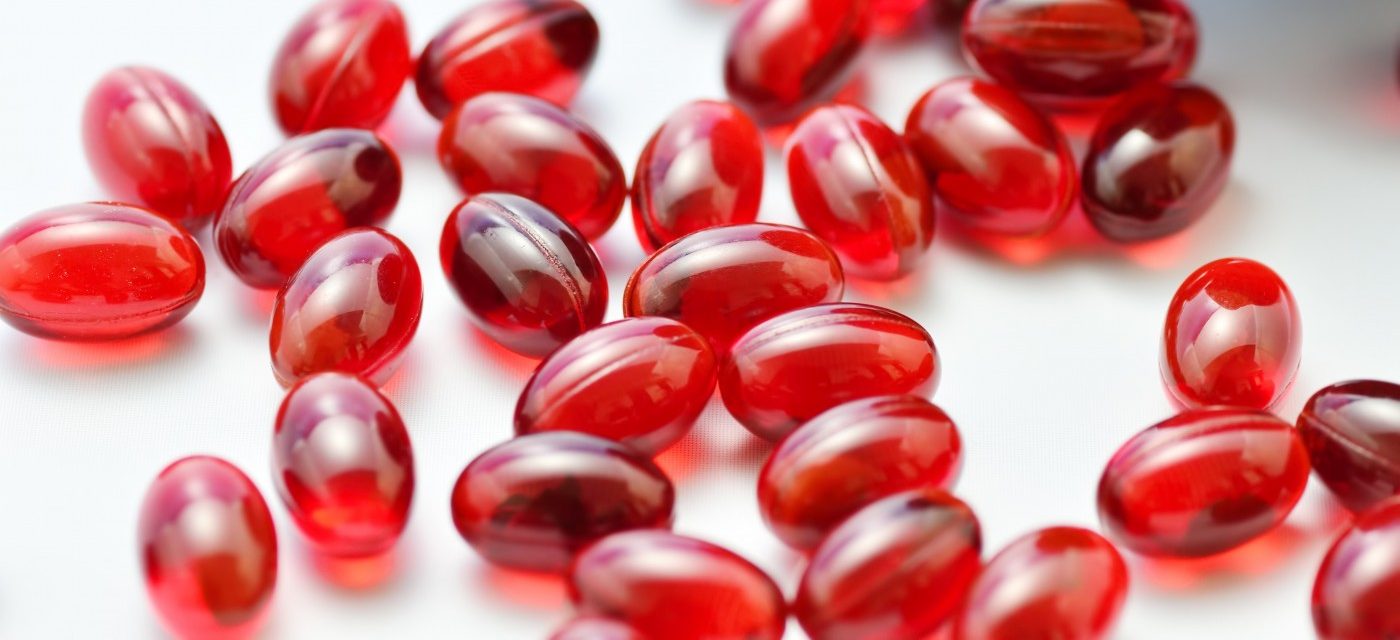
Vitamin B12 can prevent the formation of and destroy alpha-synuclein aggregates in the brain, lowering their toxicity and potentially helping to alleviate Parkinson’s disease, according to a study.
The study, “Vitamin B12 inhibits α-synuclein fibrillogenesis and protects against amyloid-induced cytotoxicity,” was published in the journal Food & Function.
When the brain produces an excess of alpha-synuclein, this protein starts to form aggregates and toxic deposits called Lewy bodies. This process is closely associated with the onset and progression of Parkinson’s disease.
As a result, developing new therapies that inhibit alpha-synuclein aggregation is seen “as an attractive therapeutic strategy to ameliorate Parkinson’s disease,” the researchers wrote.
However, developing such therapies is challenging since most of the compounds that inhibit alpha-synuclein aggregation cause adverse side effects such as liver failure, or cannot cross the blood-brain barrier — a semipermeable membrane that protects the brain against the external environment, and is a major obstacle for the efficient delivery of certain therapeutics that need to reach the brain and central nervous system.
“Vitamins are dietary components that are indispensable for life in addition to proteins, carbohydrates, fats and minerals,” the researchers wrote.
The Parkinson’s Disease News Today forums are a place to connect with other patients, share tips and talk about the latest research. Check them out today!
Previous studies have shown that vitamins of the B-complex are essential to the development of neurons, the detoxification of the body, and the function of the immune and inflammatory response. Vitamin B12 is widely used as a food supplement, can cross the blood-brain barrier, and has shown positive effects on the cognitive function of animals models and people with dementia.
Here, a team of Chinese researchers used different techniques to assess whether vitamin B12 affected the formation of alpha-synuclein aggregates and whether the vitamin could make alpha-synuclein less toxic to brain nerve cells grown in the lab.
They found that vitamin B12 delayed the formation of clumps of alpha-synuclein, and that the aggregates that formed in the presence of the vitamin were smaller than those created in its absence; these smaller aggregates were less toxic to the nerve cells.
Vitamin B12 was able to do this by directly interacting with alpha-synuclein and preventing it from taking a form that is prone to aggregation. It also destroyed preformed aggregates of alpha-synuclein.
“[Vitamin B12] destabilized and disassembled the preexisting mature [aggregates] into less toxic pieces. In summary, VB12 can efficiently disassemble mature [alpha-synuclein] fibrils and protect [nerve] cells from [alpha-synuclein]-induced toxicity,” the researchers wrote.
“[Vitamin B12] appears to have great potential to develop as an [alpha-synuclein] aggregation inhibitor and functional food ingredient for therapeutic interventions in [Parkinson’s disease],” they added.
These results identify vitamin B12 as a valuable nutrient source that “possesses great potential to be developed as a new functional food ingredient to help alleviate [Parkinson’s disease],” the study concluded.




Tony DeMarco
That's great news looking forward to more research on this approach. What was the dosage used during testing this would be helpful to some people such as myself who have been stricken with this illness. Thank you for sharing this information I look forward to much more success in the aspect of research.
Patricia McCormack
This is very hopeful! Is this the methylafem form ?
Marcia Guberman
I'd like to know how many people were Involved in this study.
James Hock
Yes, but how much vitamin B12 should be taken daily?
Lawrence Bell
Great work thankyou
Richard
What daily supplement dosage is recommended?
Dorothy Bird
There's no mention of how much B12 is recommended to achieve the best protection. In order to follow up on this information, and derive the full benefits of B12 how much B12 should I be taking on a daily basis? I have Parkinson’s and I understood that you can’t really take too much B12. However, I was told by my GP that my B12 level was too high and I had to stop taking it and only use a multiple B Vitamin supplement daily. I was stunned.
If you are tested for B12 deficiency in North America, the reference level is set at around 400 pg/mL. However in Japan the reference range is 500-1300 Pmol, since the 1980s.
Evidence and clinical cases showed that B12 deficiency symptoms can be seen even when the B12 level blood is within the reference range of 400 - 900pg/mL (N.America).
Thus, I am very confused and I certainly felt better taking in the high dosage daily and my blood test showed that my B12 level was higher than the lab could account for!
Teresa Strong
People with the MTHFR cannot break down the synthetic dietary B12 that is added to many foods. They must take methyl B12.
PT
What is best vitamin b12 product
Lynne Mather
How much should you take every day?
Diane
What dosage?????
Julie
How much are you supposed to take to help?
Arthur E. Choiniere
What milligrams of. B12 q
Pravina Nitinkumar Mehta
Which tablet of B 12 do u suggest?
Can we take MBSON-SL of unison?
EMGreen
like the others I would like to know what dosage of B12 they used in the study. I this a successful treatment now?
EMGreen
like the others I would like to know what dosage of B12 they used in the study. Is this a successful treatment now?
Elliott Green
It's important to note that the scientific research reported here was conducted in test tubes, and not in living animals or humans. (In some of the tests, cultures of living neural cells were used.) I think is important to do further research to find out whether B12 supplementation slows or reverses alpha synuclein clumping and toxicity in animals and humans.