
Adaptive brain stimulation responds in real time to reduce Parkinson’s falls
System adjusts electrical pulses as patients move to improve walking stability
Written by |
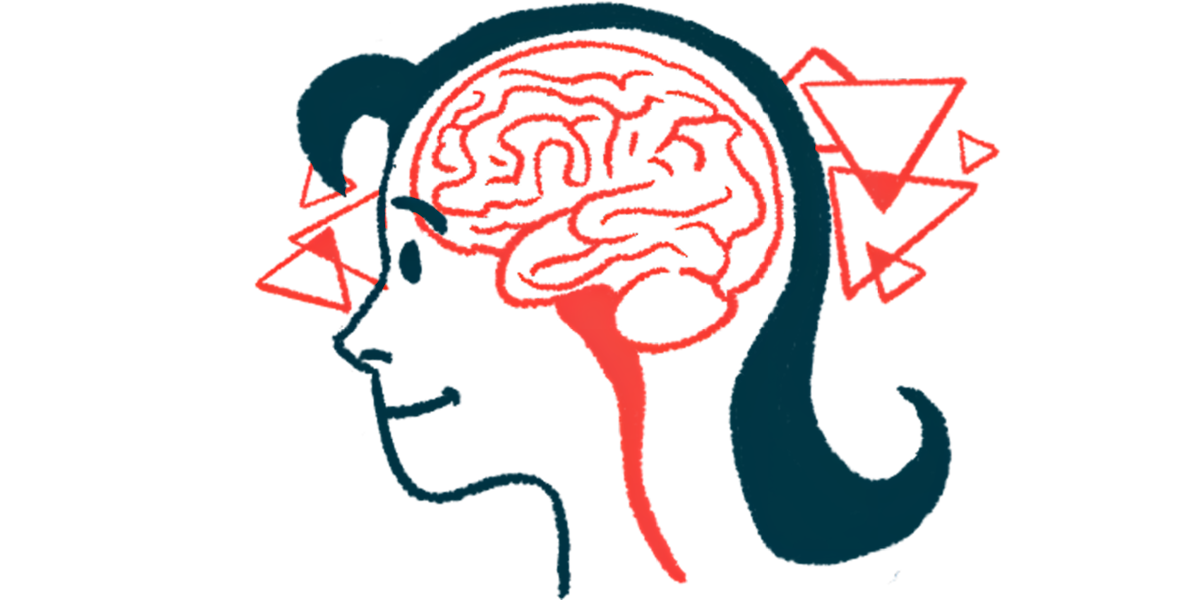
- Adaptive deep brain stimulation (aDBS) improves gait and reduces falls in Parkinson's patients.
- aDBS adjusts electrical pulses in real time by detecting neural signals related to leg movements.
- This personalized system outperformed conventional DBS, leading to more stable and efficient movement.
A new personalized, adaptive deep brain stimulation (aDBS) system developed by researchers at the University of California, San Francisco (UCSF) helped improve gait and reduce falls in a small clinical trial involving people with Parkinson’s disease.
By detecting neural signals and adjusting electrical stimulation in real time as participants walked, the system outperformed the constant-pattern stimulation in standard DBS.
“This study is about more than walking,” Doris D. Wang, MD, PhD, professor at UCSF and senior author of the study, said in a university news story. “It demonstrates that brain stimulation can adapt to what a person is doing in real time. That opens the door to future therapies that respond dynamically to movement, speech, mood, cognition, and other brain functions.”
The study, “Adaptive deep brain stimulation for dynamic gait control in Parkinson’s disease: a randomized feasibility trial,” was published in Nature Medicine.
Parkinson’s disease is caused by the loss of dopaminergic neurons, which are cells in the brain that produce dopamine, a signaling molecule involved in motor control. The disease is marked by motor symptoms, including slowed movements, rigidity, tremor, and gait and balance problems.

Limitations of conventional deep brain stimulation
DBS is an established surgical treatment for Parkinson’s patients whose motor symptoms are not adequately controlled with standard medications. It involves implanting electrodes in targeted brain regions, which are connected to a neurostimulator that delivers electrical pulses to stimulate those areas. The goal is to normalize the brain’s electrical activity, which can ease Parkinson’s motor symptoms and stabilize gait.
However, conventional DBS delivers a constant stimulation pattern regardless of a person’s symptoms at any given moment, which may have limited effects on walking.
To tackle these issues, researchers designed the adaptive DBS system to identify brain signals associated with leg movements in real time, allowing the neurostimulator to adjust stimulation while patients walk.
“Walking is a highly dynamic behavior that requires precise timing across both sides of the body,” Wang said. “We developed a system that can recognize those movement patterns and respond in real time, effectively allowing the stimulation to work with the patient as they move.”
In their study (NCT04675398), researchers tested whether aDBS could improve motor and gait function in five patients with Parkinson’s who had previously undergone DBS surgery. In addition to standard DBS electrodes, participants received research electrodes over areas involved in movement. This enabled the team to identify each person’s brain activity patterns associated with walking, and to program the aDBS system to automatically adjust stimulation.
“The brain contains remarkably rich information about movement,” said Kenneth H. Louie, PhD, the study’s first author. “We found that we could identify neural signatures linked to each step and use them to guide stimulation in real time.”
In clinical tests, the system improved gait symmetry and reduced variations in walking patterns, indicating more stable and efficient movement than conventional DBS. To see if these benefits held up outside the clinic, three participants completed a blinded crossover study in their daily lives.
Overall, patients experienced fewer falls and maintained or improved motor control when aDBS was active, compared with conventional DBS. Motor symptoms were assessed using the MDS-Unified Parkinson’s Disease Rating Scale part 3.
“This is an important step toward a new generation of brain therapies,” Wang said. “Instead of delivering the same stimulation all day long, future devices may continuously listen to the brain and immediately respond to a patient’s needs.”



colin kleboe
I have a freind who had DBS 4 years ago and now cannot walk at all, what next?