
In Parkinson’s, most dance studies focus on movement over mind
Review finds cognitive changes, nonmotor symptoms often overlooked
Written by |
- A new review found that dance studies in Parkinson's primarily focus on motor symptoms, often overlooking crucial nonmotor and cognitive changes.
- Specifically, while almost all studies looked at movement symptoms, fewer than half focused on cognitive function and nonmotor symptoms.
- The researchers say future studies should evaluate cognitive outcomes to better understand the therapeutic benefits of dance.
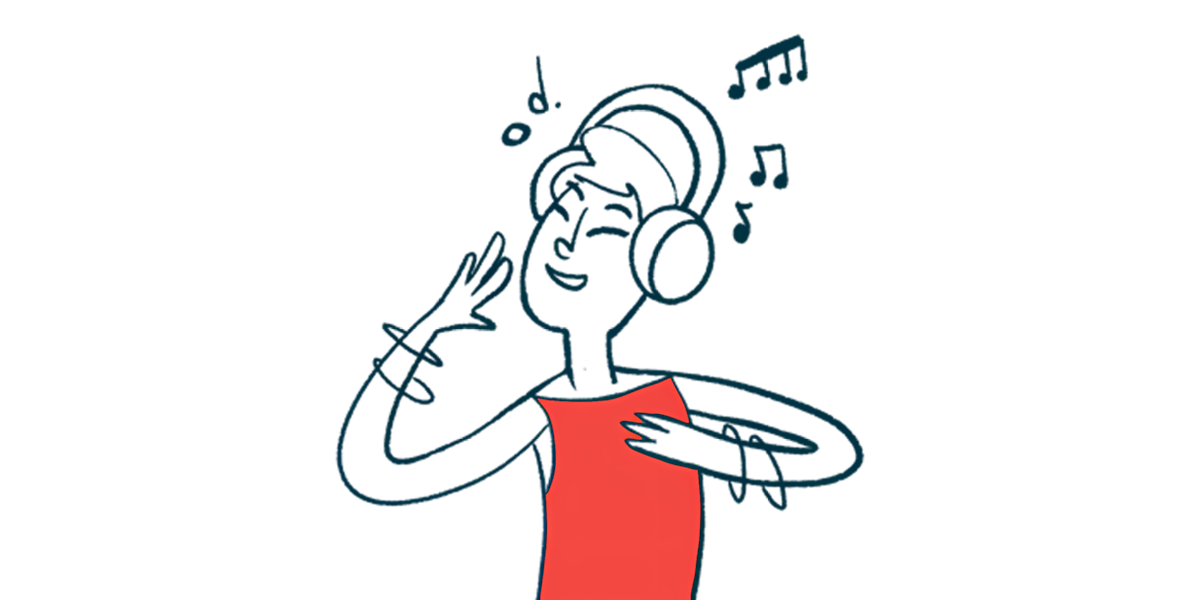
Dance-based programs for people with Parkinson’s disease have primarily focused on the effects of such interventions on motor problems, with nonmotor symptoms and cognitive changes receiving considerably less attention.
That’s according to a new review of more than three dozen studies on dance in Parkinson’s, culled from a trio of major databases, which were published between 2009 and 2025. The findings showed that motor outcomes were assessed in about 90% of studies investigating dance as a therapeutic intervention for people with the progressive neurological disease.
Cognitive function, meanwhile, was assessed in fewer than half of the studies, the review found.
“While cognitive and non-motor symptoms contribute significantly to disease burden, motor outcomes continue to dominate dance-based literature in [Parkinson’s],” the scientists wrote, adding that “future research should continue to explore symptomatology beyond motor outcomes within dance-based literature in [Parkinson’s disease].”
The researchers concluded that, while “dance represents a promising and therapeutic intervention for Parkinson’s disease, … existing studies largely prioritize motor outcomes in contrast to cognitive and non-motor outcomes.”
The study, “Dance as Rehabilitation in Parkinson’s Disease: A Scoping Review of Motor, Non-Motor, and Cognitive Outcomes,” was published in the Journal of Dance Medicine & Science by a team of Canadian researchers.

In Parkinson’s, dance may offer a complementary approach to drug treatments by combining movement, cognitive stimulation, and social interaction. Research suggests that dancing engages brain regions involved in movement, attention, memory, emotion, and social cognition.
However, most studies of dance-based interventions in Parkinson’s have focused primarily on motor symptoms, with less attention given to cognitive changes and other nonmotor symptoms, data shows.
Review covered 38 studies over more than 15 years
To better understand the scope of research in this area, a team led by scientists at York University in Toronto conducted a review of dance-based interventions for people with Parkinson’s. The review was focused on how these programs were delivered and which motor, cognitive, and nonmotor outcomes were assessed.
The researchers noted that, “historically, dance has played an important role in healing, yielding significant benefits for our physical, social, psychological, and neurocognitive health.”
Altogether, the analysis covered 38 studies published over more than 15 years. Of these, about one-third were conducted in the U.S. The studies enrolled a total of 1,143 people with idiopathic Parkinson’s, meaning the disease’s cause is unknown. The participants’ mean ages ranged from the mid-60s to early 70s, and slightly more than half were men. Most had mild to moderate disease severity.
Historically, dance has played an important role in healing, yielding significant benefits for our physical, social, psychological, and neurocognitive health.
The most common interventions used were the Dance for Parkinson’s Disease program (28%) and the adapted or Argentine tango (21%). Other interventions included Brazilian dance, contemporary dance, mixed-style dance, and other dance programs for Parkinson’s. Most programs were led by trained dance instructors or therapists (86%) and were delivered in community settings (57%).
Although programs varied in length from four weeks to three years, most lasted 4-12 weeks, or approximately one to three months. When reported, data showed that the sessions were generally held as often as twice per week and lasted about one hour.

New studies should look at dance types for different symptoms
Motor outcomes were assessed in almost all studies and consistently throughout the review period, the review found. Meanwhile, nonmotor outcomes were evaluated in 76% of the studies. Despite evaluations of cognitive and nonmotor outcomes having increased notably after 2015, cognitive function received considerably less attention overall: This symptom was assessed in 47% of studies, the data showed.
While motor and nonmotor outcomes were assessed across most dance styles, cognitive outcomes were more commonly evaluated in studies involving Dance for Parkinson’s Disease, tango, and mixed dance styles, the scientists noted.
Among motor measures, the researchers conducting the studies most often assessed motor symptom severity, balance, gait, functional mobility, and freezing of gait. For nonmotor outcomes, quality of life, depression, self-confidence, and overall symptom burden were the most commonly evaluated, the team noted.
The most frequently evaluated cognitive outcomes were global cognition as well as executive function, which involves skills such as planning, problem-solving, and multitasking. Other cognitive functions, such as attention, visuospatial abilities, language, and working memory, were assessed less often, the team found.
Overall, the review found that dance research in Parkinson’s disease continues to focus mainly on movement-related symptoms, although interest in cognitive and nonmotor symptoms has grown in recent years.
Specifically, according to the team, “non-motor and cognitive domains have gained more recognition within the last decade.”
Building on this trend, the researchers suggested that future studies should examine whether different dance types may be better suited to people with Parkinson’s who have specific symptoms.
“Non-motor and cognitive dysfunction play a crucial role throughout disease progression,” the researchers wrote, highlighting the importance of looking beyond movement-related symptoms in Parkinson’s interventions.
The researchers also called for more consistent approaches to the length and frequency of dance programs, study designs, and outcome measures, to make it easier to compare results and better understand how dance may support people with Parkinson’s.

Leave a comment
Fill in the required fields to post. Your email address will not be published.