
MJFF grant funds new PET tracer to track Parkinson’s protein clumps
$2M award to Enigma Biomedical could speed development of new therapies


- The Michael J. Fox Foundation has awarded $2M to develop a PET tracer for Parkinson's disease.
- This tracer targets harmful clumps of the protein alpha-synuclein, a hallmark of the disease.
- It's aimed at improving diagnosis, guiding clinical trials, and accelerating new therapies.




The Michael J. Fox Foundation (MJFF) has awarded a $2 million grant to Enigma Biomedical USA for the development and first preclinical testing of a new positron emission tomography (PET) tracer that targets harmful clumps of the protein alpha-synuclein, a hallmark and suspected driver of Parkinson’s disease.
The grant is part of MJFF’s strategy to advance tools that can effectively measure and track Parkinson’s progression, thereby better guiding clinical trial design and ultimately developing novel therapies.
“We are encouraged by the collective progress in the field being made to advance the diagnostic and therapeutic tools urgently needed to speed Parkinson’s drug development,” Sohini Chowdhury, chief program officer at MJFF, said in a press release. “We look forward to continued efforts from the Enigma Biomedical team in developing an imaging tracer for alpha-synuclein pathology, which has the potential to further optimize Parkinson’s diagnosis, strengthen clinical research design, and help drive better treatments that patients and families are waiting for.”
Tracer has potential to transform Parkinson’s research, company says
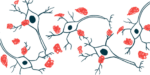
Clumps of abnormally folded alpha-synuclein are a hallmark of Parkinson’s and play a central role in driving its symptoms. These toxic protein aggregates damage and kill dopamine-producing nerve cells, known as dopaminergic neurons, leading to Parkinson’s characteristic motor problems, as well as a range of non-motor complications.
According to Enigma, a PET tracer capable of visualizing alpha-synuclein in the living brain could transform Parkinson’s research and care.
As with Alzheimer’s disease — where amyloid and tau PET tracers have enabled therapeutic breakthroughs — a validated Parkinson’s tracer could accelerate the development of disease-modifying therapies.
The research builds on Nobel Prize-recognized Click Chemistry and on screening methods developed by Hartmuth Kolb, PhD, Enigma Biomedical USA’s chief science officer. The work will take place at the University of Wisconsin, where Kolb is also a visiting professor.
Kolb is widely recognized for leading the team that discovered one of the first-generation tau PET biomarkers, an important tool now used globally in Alzheimer’s research.
“We are extremely grateful to The Michael J Fox Foundation for this recognition and generous support and are excited to begin the work, which we hope will have a significant impact on improving management of this devastating disease,” Kolb said.
Rick Hiatt, president and CEO of Enigma Biomedical USA, emphasized the shared mission between the organizations.
“EB USA is very pleased with our growing partnership with The Michael J Fox Foundation, who share our commitment to addressing critical unmet needs in neurodegenerative disease, as well as providing tools and technologies to support the development of [disease-targeted] therapies,” Hiatt said.
About the Author