
Study shows Parkinson’s affects brain circuits in different ways
Low dopamine levels can produce opposite changes
Written by |
- Parkinson's disease causes varied, even opposite, changes in brain circuits due to low dopamine levels.
- Low dopamine levels correlate with motor symptoms; cognitive issues are linked to abnormalities in brain circuits.
- Monitoring brain circuit activity may help track cognitive problems and treatment response.
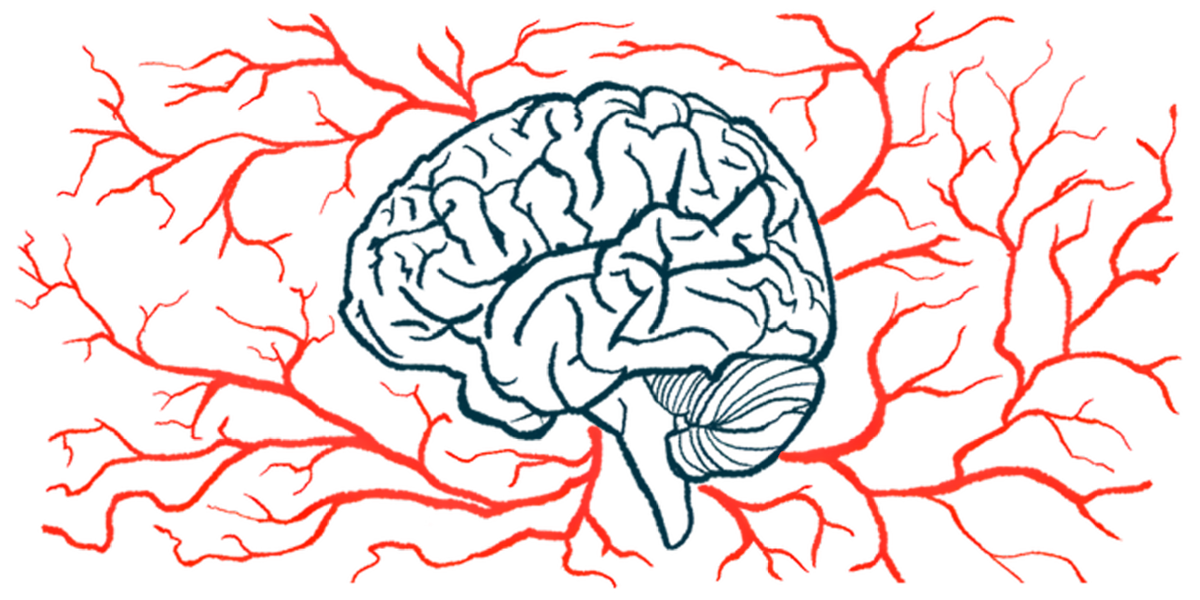
Low dopamine levels disrupt nerve circuits in the brain in Parkinson’s disease — but a new study indicates that different brain circuits show different, even opposite, types of changes.
The study’s findings shed new light on how brain circuits are affected by Parkinson’s. The researchers said their data also suggest that looking at brain circuits may be a useful way to monitor certain Parkinson’s symptoms, particularly problems with cognition.
The study, “Dopamine-related alterations in functional brain network dynamic reconfiguration in Parkinson’s disease,” was published in npj Parkinson’s Disease.
Dopamine is a neurotransmitter, a signaling molecule that nerve cells in the brain use to communicate with each other. In Parkinson’s, the brain cells that are normally responsible for producing dopamine sicken and die, resulting in abnormally low dopamine levels.
Low dopamine levels in the brain disrupt neurological signaling, which ultimately gives rise to Parkinson’s symptoms. While this paradigm is well established, scientists don’t fully understand how low dopamine affects all the various neurological circuits throughout the brain.

Brain imaging shows changes
Scientists in Germany analyzed MRI data from 136 people with early-stage, untreated Parkinson’s disease, using MRIs from 20 people without Parkinson’s for comparison. The researchers used the data to estimate dopamine activity across different brain regions and functional connections among brain circuits.
As expected, lower dopamine levels in Parkinson’s patients were associated with differences in brain circuit activity. However, the specific types of alterations varied depending on the particular brain circuit.
For example, in brain circuits important for processing vision, lower dopamine levels were associated with fewer widespread nerve connections. But the limbic system — a brain circuit that helps regulate emotion — showed an opposite trend, as lower dopamine levels correlated with increased measures of nerve connection.
“These findings align with the idea that different brain networks have distinct optimal dopamine levels,” the researchers wrote. “Specifically, the visual network may require a different optimal dopamine range for visual processing than the limbic network.”
In a subset of patients with long-term follow-up data available, alterations in nerve networks changed over time. Broadly, brain circuits showed greater flexibility over time, though, again, there were differences among individual circuits. The researchers said these long-term changes likely reflect the brain’s attempt to compensate for low dopamine levels. They noted that the changes “should be interpreted cautiously as an indicator of altered network adaptation, rather than as inherently beneficial or detrimental.”
Available data also indicated that the way brain circuits change over time is different in Parkinson’s patients who receive treatments aimed at boosting brain dopamine levels. The researchers stressed that these findings were limited to a small number of patients, and the clinical implications are unclear. Nonetheless, they said, the study “offers a first step toward understanding how [dopamine-replacing] therapy influences network reconfiguration over time, warranting validation in larger and more controlled longitudinal designs.”
Parkinson’s is defined by its motor symptoms, but it can also cause nonmotor symptoms such as issues with cognition and memory. The researchers found a strong correlation between dopamine levels and motor symptoms: Patients with lower dopamine levels tended to have more severe motor symptoms.
However, there wasn’t a clear connection between dopamine levels and cognitive problems. Instead, data suggested that patients with abnormalities in brain circuits related to attention tended to have worse cognitive scores, irrespective of dopamine levels. These findings indicate that tests assessing the activity of certain nerve circuits may be useful for monitoring cognitive problems in Parkinson’s, the researchers said. The team called for further studies to look into how nerve circuit biomarkers might be used to improve clinical care for patients.
“These findings underscore the value of functional network dynamics as markers of dopamine-related brain changes and underscore their potential as promising biomarkers for cognitive function and treatment response in Parkinson’s disease,” the scientists concluded.


Leave a comment
Fill in the required fields to post. Your email address will not be published.