
Study of 4M US veterans ties Agent Orange to Parkinson’s risk
Researchers call for accelerated efforts to reduce use of toxic pesticides
Written by |
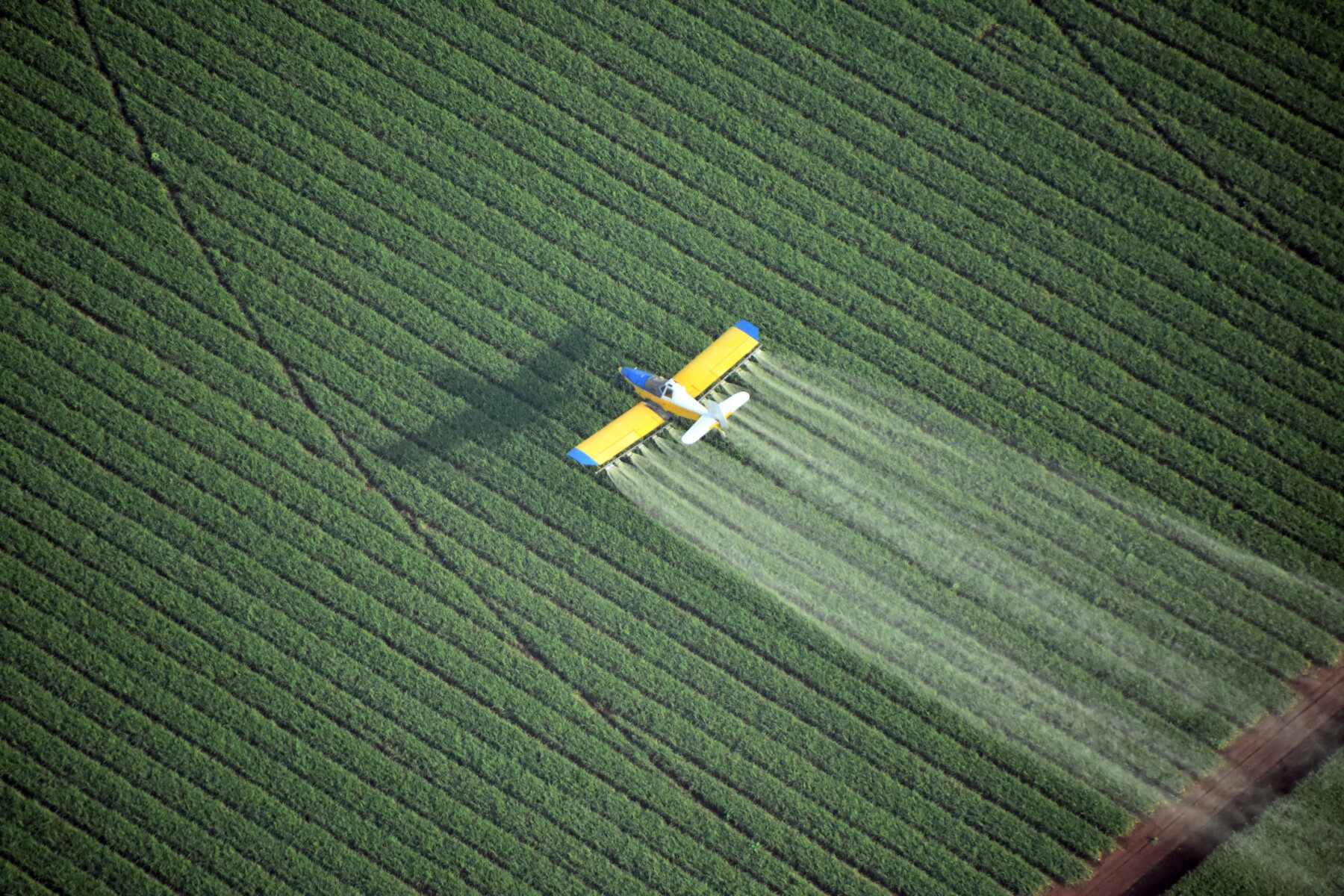
Agent Orange was a defoliant used during the Vietnam War. (Photo by iStock)
- A study of U.S. veterans found Agent Orange exposure is linked to an increased risk of developing Parkinson’s disease and related neurological disorders.
- Heavier, direct, or occupational exposure shows an even higher risk for neurological conditions.
- Researchers emphasized the need to reduce exposure to toxic pesticides.
Exposure to Agent Orange — a combination of two chemical herbicides used during the Vietnam War to remove vegetation and uncover soldiers’ positions — is linked to an increased risk of developing Parkinson’s disease and related neurological diseases, according to a study of more than 4 million U.S. veterans who served during that era.
“This is the first study in veterans to identify that increased risk of Parkinson’s is associated with heavier exposure to Agent Orange,” Gregory Scott, MD, PhD, associate professor of pathology at Oregon Health & Science University (OHSU) School of Medicine and the study’s first author, said in a university news story.
The study, “Agent Orange Exposure and Diagnosis of Parkinson Disease and Related Disorders Among US Veterans,” was published in JAMA Neurology.
“For veterans who were exposed to Agent Orange and have [Parkinson’s], this study will hopefully provide answers and clarity,” the researchers wrote in an editorial piece in the same journal. “For all, it should accelerate efforts to reduce use of and exposure to toxic pesticides that continue to fuel the rise of [Parkinson’s]. The war has ended, but the exposures have not,”
Parkinson’s symptoms arise from accumulation of a misfolded version of the alpha-synuclein protein and the loss of nerve cells that produce dopamine, a chemical involved in controlling movement. Both genetic and environmental factors, including exposure to herbicides and other pesticides, are thought to contribute to Parkinson’s.

‘Veterans have been talking about this for years’
Agent Orange was sprayed or dusted on plants to cause their leaves to fall off prematurely. It can be toxic when breathed in or swallowed. During the Vietnam War, it was used to make the enemy visible, but exposure could have extended far beyond to farmers, groundskeepers, and people living near areas where the herbicides may have been applied.
To investigate whether exposure to Agent Orange increases the risk of developing Parkinson’s and related neurological disorders, including REM sleep behavior disorder (RBD) and dementia with Lewy bodies (DLB), the researchers drew on electronic medical records from the U.S. Department of Veterans Affairs.
Exposure was primarily identified through self-reported history documented in the Veterans Affairs Agent Orange Registry. Researchers also identified a subgroup with direct or occupational exposure, which included veterans who served in Operation Ranch Hand or the Army Chemical Corps, as well as those whose medical notes documented direct handling or spraying of the chemicals.
“Veterans have been talking about this for years and years,” said Lee Neilson, MD, a neurologist formerly with OHSU and now with the University of Iowa Health Care. “I expect they will feel validated and heard with this study,” added Neilson, the study’s last author.
The study involved almost 4.5 million veterans, with an average age of 60.6. Most were male (98%). One million (23.2%) had been exposed to Agent Orange, while 7,600 (0.2%) had experienced direct or occupational exposure. The veterans were followed for an average of 12.5 years.
Exposure to Agent Orange was linked to a 44% higher risk of Parkinson’s, a 78% higher risk of RBD, and a 66% higher risk of dementia with Lewy bodies. The link was stronger among veterans with direct or occupational exposure. Their risk of developing Parkinson’s was nearly twice as high, while that of RBD was more than twice as high, as that of veterans who had not been exposed to Agent Orange.
Further research is needed to understand how Agent Orange may affect the brain, whether genetic factors influence the effects of exposure, and whether exposed veterans develop distinctive symptoms or patterns of disease.
“This research offers critical insight for veterans who may have been diagnosed with Parkinson’s even decades after their exposure to Agent Orange in Southeast Asia,” said Shereef Elnahal, MD, president of OHSU. Elnahal noted that the PACT Act of 2022 expanded benefits for veterans exposed to toxic chemicals, making it easier for them to receive healthcare without having to prove their exposure.
While countries had banned 2,4,5-T, one of Agent Orange’s components, by 1985, its other component, 2,4-D, remains one of the world’s most common weed killers, approved in over 90 countries. In the U.S., more than 20 million kilograms are sprayed on crops every year, four times the amount of paraquat, which has also been linked to Parkinson’s.



Leave a comment
Fill in the required fields to post. Your email address will not be published.