
Smartwatches, apps help track Parkinson’s disease progression
Study shows device data help detect shifts in movement, voice patterns
Written by |
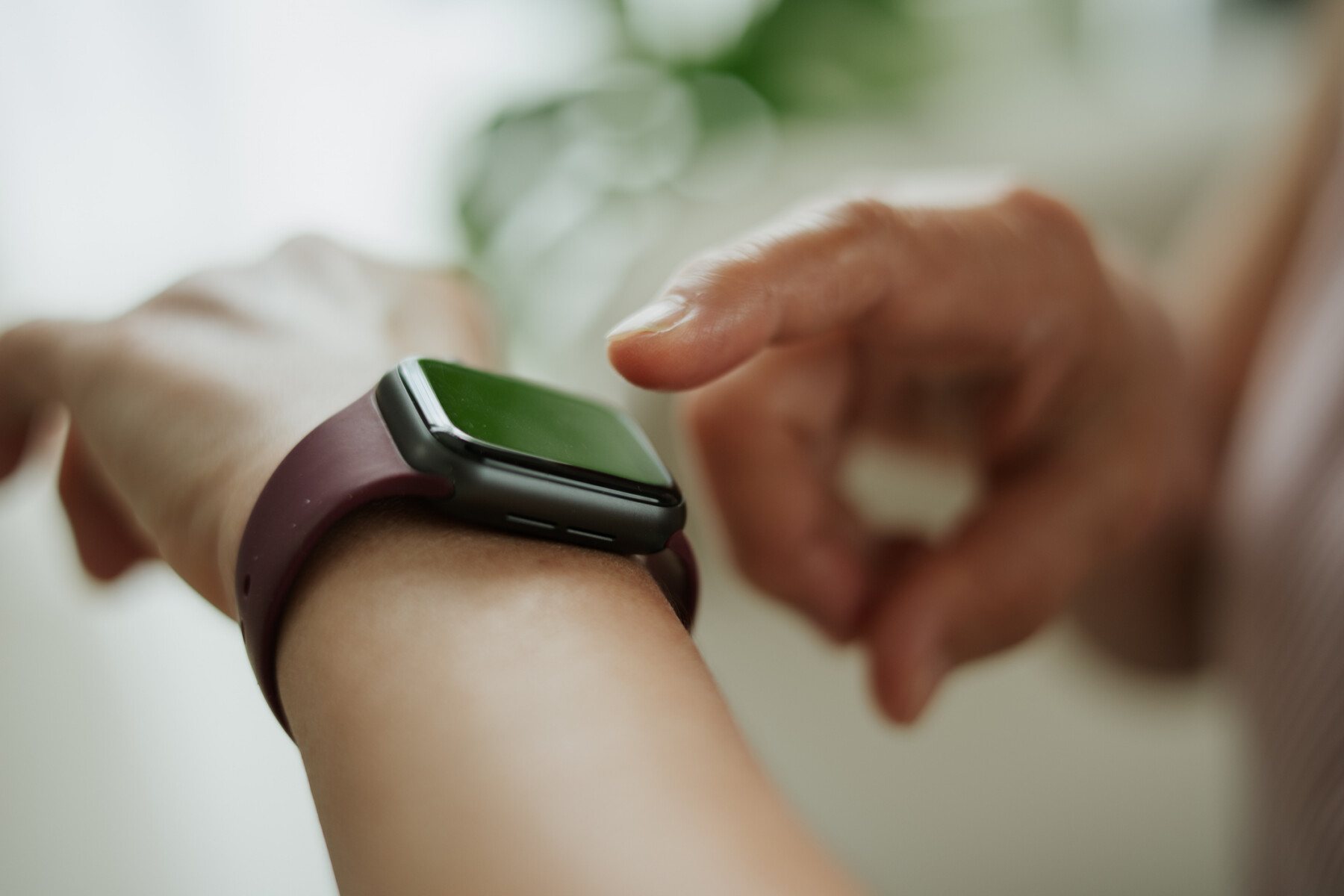
Smartwatch technology may help track Parkinson's symptom changes over time. (Photo by iStock)
- Smartwatches and smartphone apps effectively monitor Parkinson's disease progression and track long-term motor changes over time, a study found.
- Data detected differences between Parkinson's patients and healthy controls.
- The researchers said remote monitoring methods could be developed for clinical use.
Smartwatch and smartphone app measurements may help track Parkinson’s disease progression by monitoring changes in motor symptoms over time, a study found.
Monitoring tremor, walking patterns, movement, and voice changes at home detected differences between patients and healthy people and identified some symptoms that worsened over as long as two years.
“These findings show that smartwatch/smartphone technology can be used to surface candidate digital measures that characterize [Parkinson’s], and that voice changes, as well as motion measures, may be suitable for assessing longitudinal, symptom-related change in individuals with [Parkinson’s disease] on dopamine-replacement therapy,” the researchers wrote.
The study, “Longitudinal monitoring of motor symptoms in Parkinson’s disease using smartwatch and smartphone app digital biomarkers,” was published in Scientific Reports.
Parkinson’s disease is caused by the loss of nerve cells that produce dopamine, a signaling molecule[ in motor control. This leads to motor problems, including tremor, slowed movement, and rigidity, as well as nonmotor symptoms such as cognitive decline, mental health issues, and sleep problems.

Assessing accuracy
Parkinson’s symptoms are traditionally assessed using clinical rating scales, such as the Movement Disorder Society Unified Parkinson Disease Rating Scale (MDS-UPDRS). However, these assessments can miss fluctuations in symptoms between clinic visits and may not appropriately measure symptoms during early disease stages.
Digital tools could enable more frequent symptom monitoring over extended periods, potentially helping researchers detect changes that conventional assessments may overlook. But evidence on the sensitivity of digital measures to changes in motor symptoms over time remains limited.
To learn more, researchers collected digital outcome measures from 26 people with idiopathic (of unknown cause) Parkinson’s who were receiving dopamine-replacement therapies, along with 18 healthy controls. Participants with Parkinson’s had a median age of 59.5, most (69%) were men, and they lived with the disease for a median of seven years.
Participants used a provided Apple watch continuously for seven consecutive days every other month, for one or two years. The smartwatch sensors passively recorded measures related to movement and daily activity, while a smartphone app collected data from guided tasks, including hand movements and voice assessments.
Researchers identified 39 digital measures — 18 collected passively through the smartwatch and 21 through active smartphone assessments — that significantly distinguished people with Parkinson’s from healthy controls.
Passive data from smartwatches that best distinguished people with Parkinson’s from healthy controls included time experiencing tremor at rest, at night, and during light activity, alongside non-tremor-related movement signals, early-morning rest-tremor signals, and time spent walking or engaging in light activity.
Over time, people with Parkinson’s showed an increase in the time experiencing tremor during light activity and in moderate to vigorous physical activity during the early morning, and a decline in early-morning detected foot contacts during walking, which may indicate changes in gait.
Some measures, including tremor while resting, at night, or during light activity, showed moderate to good correlations with relevant MDS-UPDRS subscores. Fifteen measures, including time spent walking and nontremor motion during light activity, were able to distinguish people with Parkinson’s from healthy controls even when the relevant MDSUPDRS subscores did not detect the symptom.
During an active hand rotation assessment, participants rotated their hands in two movements: opening the hand, rotating the palm upward, and closing it, rotating the palm downward. People with Parkinson’s had higher acceleration while opening but lower acceleration while closing than healthy controls. These differences were broadly similar whether participants were assessed during on periods (when medication is working) or off periods (when its effects have worn off).
Voice assessments showed that people with Parkinson’s had changes in vocal control and in their ability to sustain and repeat sounds. Measures associated with a breathy voice also deteriorated over time and continued to distinguish patients from controls regardless of changes in Parkinson’s medication dose.
The researchers also found that measurements taken in the early morning and during periods when medication was not at its full effect could help capture symptom deterioration.
“These findings are in line with established [Parkinson’s] symptoms and disease progression, suggesting that these digital measures may be relevant indicators of [Parkinson’s]-related symptoms,” the scientists wrote.
The study “provides confidence that remote monitoring via smartwatch or smartphone technology to detect [Parkinson’s] symptoms and symptomatic changes over time is a viable option that could be developed further for clinical research use,” they said.
According to the team, future studies should further characterize the utility of these digital measures in larger patient populations and identify a smaller, validated set of digital measures that could help researchers monitor disease-related changes more objectively and assess the effects of new treatments in people receiving standard therapy.



Leave a comment
Fill in the required fields to post. Your email address will not be published.