Scientists find brain models for Parkinson’s need refinement
Brain mapping shows cell-growing methods may also produce unwanted cells
Written by |
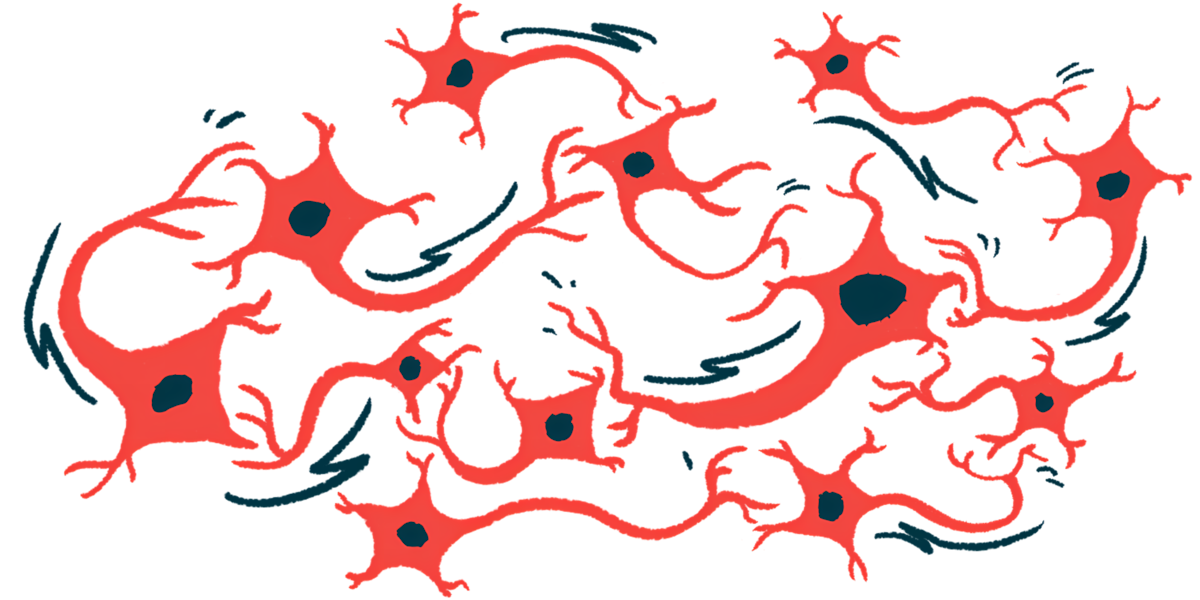
- Parkinson's disease lab models often produce unwanted cells alongside target neurons.
- A new tool, BrainSTEM, maps fetal brain development to identify these off-target cells.
- Refining these models is crucial for developing accurate and effective cell therapies.
Researchers creating a map of the developing human brain found that methods used to grow brain cells lost in Parkinson’s disease often inadvertently create other types as well, pointing to the need for more refined modeling.
The scientists developed a framework that “provides a foundation for refining protocols toward more faithful [cellular laboratory models] for [Parkinson’s] research and regenerative applications,” they wrote in the study, “BrainSTEM: A single-cell multiresolution fetal brain atlas reveals transcriptomic fidelity of human midbrain cultures,” published in Science Advances.
The researchers created a new model, BrainSTEM, that “marks a significant step forward in brain modelling,” Alfred Sun, PhD, senior author of the study and assistant professor at Duke-NUS Medical School in Singapore, said in a medical school press release. “By delivering a rigorous, data-driven approach, it will speed the development of reliable cell therapies for Parkinson’s disease. We’re setting a new standard to ensure the next generation of Parkinson’s models truly reflects human biology.”
Parkinson’s disease is caused by the degeneration and death of midbrain dopaminergic (mDA) neurons, nerve cells in a central region of the brain that produce the signaling molecule dopamine. Scientists have developed various protocols to generate mDA neurons in the laboratory. There’s also emerging interest in using lab-made mDA neurons as a basis for cell therapies to treat Parkinson’s.
However, for these models to be useful in research and potential therapeutic applications, it’s crucial that the lab-made mDA neurons possess all the same features as those found in the brain.

Comprehensive model distinguishes off-target cells
The researchers analyzed data from thousands of brain cells during the early weeks of fetal development to generate a comprehensive model for how different types of nerve cells normally grow in the brain, including detailed annotations about subtle changes in activity among similar types of cells located in different brain regions. The team then used this atlas of the fetal brain to create BrainSTEM (Brain Single-cell Two tiEr Mapping), which is designed to analyze a sample of nerve cells and match them to corresponding cells in the brain.
“By mapping the brain at single-cell resolution, BrainSTEM gives us the precision to distinguish even subtle off-target cell populations,” said John Ouyang, PhD, principal research scientist at Duke-NUS’ Centre for Computational Biology and another senior author of the study. “This rich cellular detail provides a critical foundation for AI-driven models that will transform how we group patients and design targeted therapies for neurodegenerative diseases.”
The researchers used BrainSTEM to analyze mDA neurons generated through established lab protocols. They found that most of these protocols didn’t produce pure mDA neurons, but also generated other types of cells. This type of specific, cell-by-cell analysis will be key not only for making better lab models, but also for producing purified cells for investigational therapies, the researchers said.
“Our data-driven blueprint helps scientists produce high-yield midbrain dopaminergic neurons that faithfully reflect human biology,” said Hilary Toh, a doctoral student at DukeNUS and the study’s lead author. “Grafts of this quality are pivotal to increasing cell therapy efficacy and minimising side effects, paving the way to offer alternative therapies to people living with Parkinson’s disease.”
The scientists made their tool available online for other researchers to use.
The scientists said a limitation of the study is that their fetal analysis was based on cell data collected during the first trimester of development. Additional work to include data from later stages of brain development could help fine-tune the tool, they said, noting that “extending the time frame of the reference atlases may offer substantial insights into cell-cell communication that takes place in the developing brain.”