Exercise intensity matters in early Parkinson’s: Mouse study
High-intensity workouts may affect immune cells in brain
Written by |
- Balanced exercise intensity is crucial for easing Parkinson's motor symptoms and anxiety.
- Moderate exercise improved motor control, while high-intensity workouts may not.
- Researchers suggest more studies of different exercise regimens.
Aerobic exercise may help alleviate motor symptoms and reduce anxiety in early Parkinson’s disease, but there’s a chance higher-intensity workouts may do more harm than good, a mouse study suggested.
The results show that “a broad range of symptoms should be assessed in clinical studies with different exercise regimens, and patients should be closely monitored over extended periods of time,” the researchers wrote.
The study, “Depending on intensity, exercise improved or worsened pathology in a model of prodromal Parkinson’s disease,” was published in npj Parkinson’s Disease.
Engaging in regular, safe exercise can help Parkinson’s patients maintain muscle strength, improve balance and gait, and ease a range of other symptoms such as mood changes and anxiety. However, “information regarding how and to what extent exercise affects [Parkinson’s] onset is limited,” the researchers wrote.
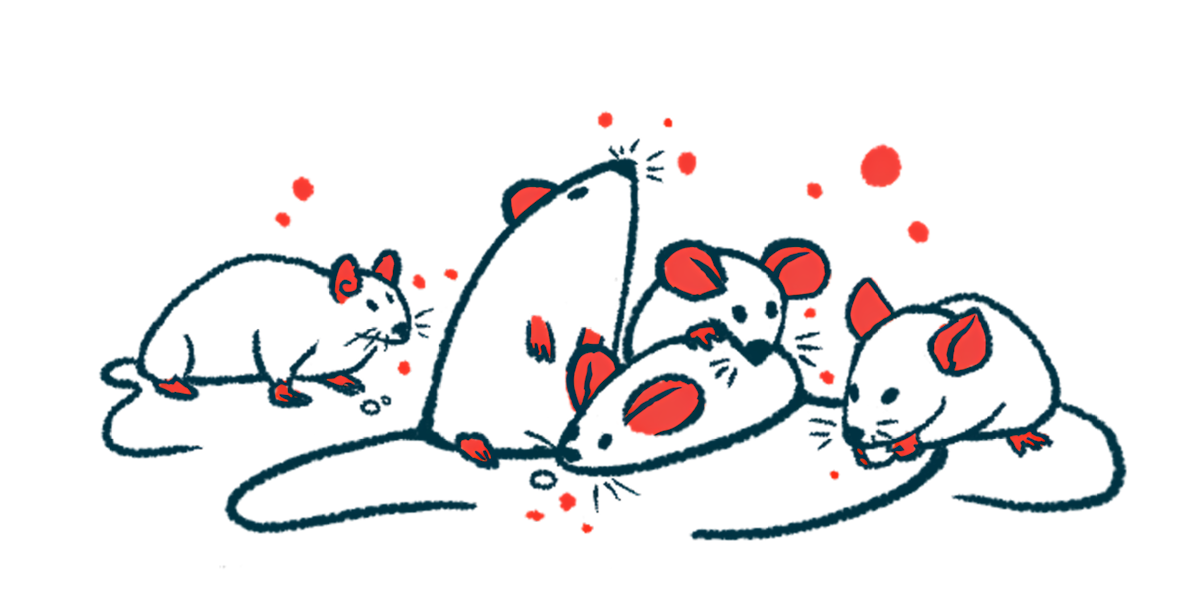
They used a Parkinson’s mouse model engineered to produce large amounts of human alpha-synuclein, a protein that forms hallmark toxic clumps in Parkinson’s, to understand how treadmill exercise affects the disease in its early stages.
Treadmill training
The mice were 1 to 3 months old, a stage comparable to the early stages of Parkinson’s. At this point, they had shown a buildup of alpha-synuclein toxic clumps and fine motor problems, but had not yet developed the slow or limited movement typically seen in later stages of the disease.
They trained on a treadmill three times a week for one month. One group ran at a moderate speed of five meters (5.5 yards) per minute, while another ran at an intensive speed of 12.5 to 15 meters (13.7 to 16.4 yards) per minute. Both groups tolerated exercise well, and they were compared to non-trained mice.
To test the effects of exercise, the mice had two days of practice walking across a narrow beam. On the third day, they were tested using a mesh grid. The mice were tested twice: once before the one-month exercise regimen and again four days after the last training session. For each test, the mouse completed five trials, and the researchers counted the number of foot slips (errors per step) and measured the time to cross the beam by reviewing slow-motion video recordings.
Exercise did not improve performance in the first trial of the beam test, suggesting that it did not aid the model mice in remembering the task. In the second trial, moderate and intensive exercise reduced the number of errors. However, better motor control was not maintained in the later trials, likely because staying coordinated requires muscle strength, which exercise did not increase.
As the mice grew, they naturally took fewer steps on the beam. Intensive exercise changed the stepping pattern of model mice toward taking more steps, and footprint analysis showed better alignment between front and back paws in both groups. This improved coordination matched the better performance seen in the second trial.
At 3 months, mice were placed in a large, open-field box and their movement was tracked to measure general activity and anxiety. Model mice showed more anxiety by staying close to the walls, but this behavior disappeared after moderate or intensive exercise, with intensively trained mice even spending less time at the edges than healthy mice.
The researchers also measured phosphorylated alpha-synuclein, a chemically modified form of the protein that is more prone to forming toxic clumps. After intensive exercise, its levels decreased in the substantia nigra — a region in the brain involved in motor control marked by nerve cell death in Parkinson’s — but not in other regions.
At the start of the study, neuroinflammation from microglia, the brain’s immune cells, was minimal. However, microglia in the amygdala and hippocampus shifted into a more reactive state after intensive training, with enlarged cell bodies and shorter, thicker branches. This indicated increased immune activity in these regions, which are associated with emotions and memory.
Despite the overactive microglia, intensive exercise did not worsen the buildup of alpha-synuclein in the amygdala and hippocampus. Levels of phosphorylated alpha-synuclein in these regions stayed similar between trained and untrained mice, even though immune cells were more active.
Intensive exercise increased the diversity of gut bacteria in both model and healthy mice, leading to a selective increase in Lachnospiraceae, a family of bacteria associated with a healthy gut and the production of short-chain fatty acids, such as butyrate. In Parkinson’s, low levels of butyrate are linked to more severe depression.
The researchers said the findings suggest that exercise may help improve movement, reduce anxiety, and modify molecular and bacterial factors associated with Parkinson’s. At the same time, they said, the increase in microglial activity suggests that exercise intensity may influence the brain’s immune system in complex ways that require further study.