






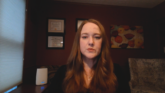

Ava Butler, an organizational development consultant and leadership coach, cared for her husband through Parkinson’s disease after his diagnosis in 2010 until his passing in 2017. She reflects on how openness and honesty helped them navigate the emotional and social challenges of living with Parkinson’s.
Transcript
We chose to be very open and honest with everybody, and we felt that that was the best way.
People knew something was wrong. I mean, you could tell. So if you want to try to pretend it’s not happening, you’re just being disingenuous. And it’s not really fair to the person who’s got the disease either, because they can’t be who they are.
Not everyone is like that, though. For example, early in your disease, you might still be working. You might have people that are not going to be supportive of you, and you don’t want to tell them.
Early on in our discussions, we agreed what we were going to tell people and what we were not going to tell people. We decided, you know, except for really private things like bathroom things or something. We’ve decided to be very open and honest, and people appreciated that.
You learn how much people love you when you’ve got a disease like this to deal with. And people were inquisitive, learning too. So we had several friends that are like, “You know, would you please tell me what it’s like when you’re seeing people? Like what? What does that look like when the chairs by the pool turn into a bride and groom? Like, wow, that’s pretty crazy. Like, say more.”
So in our case, people were very supportive and inquisitive and showed a lot of love.