





Skip to content
Parkinson's News Today logo
Newsletter
  • About Parkinson's
    What is Parkinson’s disease?
    Causes
    Diagnosis
    Symptoms
    • Motor symptoms
    • Nonmotor symptoms
    Types
    Treatments
    • Approved treatments
    • Experimental treatments
    • Non-drug treatments
  • Living with
    Exercise
    Diet
    Parkinson’s progression
  • News
  • Community
    Awareness Month
    Perspectives
    • The Bright Side – Jamie Askari
    • The Impatient Patient – Doc Irish
    • Living My Best Life – Christine Scheer
    • Shaking Things Up — Mary Beth Skylis
    • Unshakable Optimist – Mollie Lombardi
    • Caregiving Unfiltered — Crystal Onyema
    Archived columns
    • The Love Factor – Chukwuemeka Uchebuakor
    • PD: The WE Journey – Jill Hammergren
    • Embrace the Shake — Samantha Felder
    • Life, Lemons, and Lemonade — Lori DePorter
    • Possibilities With Parkinson’s — Dr. C
    • Resilient: Living Relentlessly — Jo Gambosi
    Guest Voices
  • Forums
  • Resources
    Expert voices
    • Integrative medicine
    • Deep brain stimulation
    • Safe exercise
    • Cannabis and Parkinson’s symptoms
    • Speech difficulties
    • Diet and nutrition
    • Caring for mental health
    • Managing sex and intimacy issues
    Videos
    • Shifting gears
    • In focus
    Featured Topics
    • Staying active with Parkinson's
    • Navigating Parkinson's psychosis
    Advocacy partners

Pill fatigue and the challenges of Parkinson’s medications

More videos

Hallucination sensitivity

See more videos

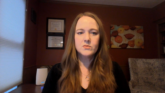
Cleveland Clinic psychologist Cynthia Van Keuren explains medication burden in Parkinson’s, including treatment decisions, risks, and supportive care strategies.

Transcript

The person with Parkinson’s disease and their caregivers will both experience medication burden or pill fatigue, as it might be called.

Read More

Managing multiple medications for the Parkinson’s disease can be overwhelming.

There’s a lot of different medications, and the medications have to be dosed at a very specific time. When someone is already struggling to manage that, the idea of making changes to that regimen might feel very daunting and overwhelming, and that might lead to people being reluctant to seek additional support.

So it is important just to know what your doctors might offer you. Doctors are going to want to best understand how distressing or disruptive the psychosis symptoms are before making a lot of adjustments to their routine.

They’re going to want to understand short- and long-term goals, because there are some risks of long-term medications for the management of psychosis or increasing the dopaminergic agents. So again, having a thoughtful conversation about best meeting the needs of the person now and over time can be really helpful.

It’s also important to discuss the potential role of nonpharmacological treatments. Cognitive behavioral therapy, for example, can be helpful in addressing anxiety related to Parkinson’s, anxiety related to psychosis.

There can be some strategies to help reduce the risk of responding to internal stimuli is what we call that, and adjusting to Parkinson’s in general.

The nonpharmacologic treatments can also be useful in keeping open lines of communication between the caregiver, the person with Parkinson’s and their professional support team.


More videos

When correcting causes more harm in Parkinson’s care
Choosing communication over control in Parkinson’s care
Taylor Rush, PhD
Taylor Rush, PhD: Watching out for signs and symptoms of Parkinson’s psychosis
Gregory Pontone, MD
Gregory Pontone, MD: Managing Parkinson’s psychosis
See more videos

  Subscribe to our newsletter

Get regular updates to your inbox.

This field is for validation purposes and should be left unchanged.

Bionews Logo Bionews, Inc.

3 W Garden St
Suite 700
Pensacola, FL 32502
Website: bionews.com
Email: [email protected]
Phone: 1-800-936-1363

  • Parkinson's News Today on Facebook
  • Parkinson's News Today on X
  • Parkinson's News Today on Instagram
  • Parkinson's News Today on Soundcloud
  • Parkinson's News Today on YouTube
  • Parkinson's News Today on Pinterest
  • About Us
    • Our Culture
    • Leadership
    • Careers
    • Contact Us
  • Explore More
    • Advertising Policy
    • Corrections Policy
    • Editorial Policy
    • Privacy Policy
    • Terms of Service
Disclaimer

This site is strictly a news and information website about the disease. It does not provide medical advice, diagnosis or treatment. This content is not intended to be a substitute for professional medical advice, diagnosis, or treatment. Always seek the advice of your physician or other qualified health provider with any questions you may have regarding a medical condition. Never disregard professional medical advice or delay in seeking it because of something you have read on this website.

Copyright © 2013-2026 All rights reserved.

Log in

Don't have an account?

Log in

[wppb-login register_url="/register" lostpassword_url="/recover-password" ajax=true]

|

Register

Already have an account?

Register

Create your account by filling in the information below:

[wppb-register redirect_url="/welcome" ajax=true]

By creating an account, you are agreeing to the Privacy Policy and Terms of Service.

Reset Password

[wppb-recover-password ajax=true]