
Plant compound delivered to brain eases Parkinson’s symptoms in mice
Researchers say use of nanoparticles provides 'promising strategy' for treatment
Written by |
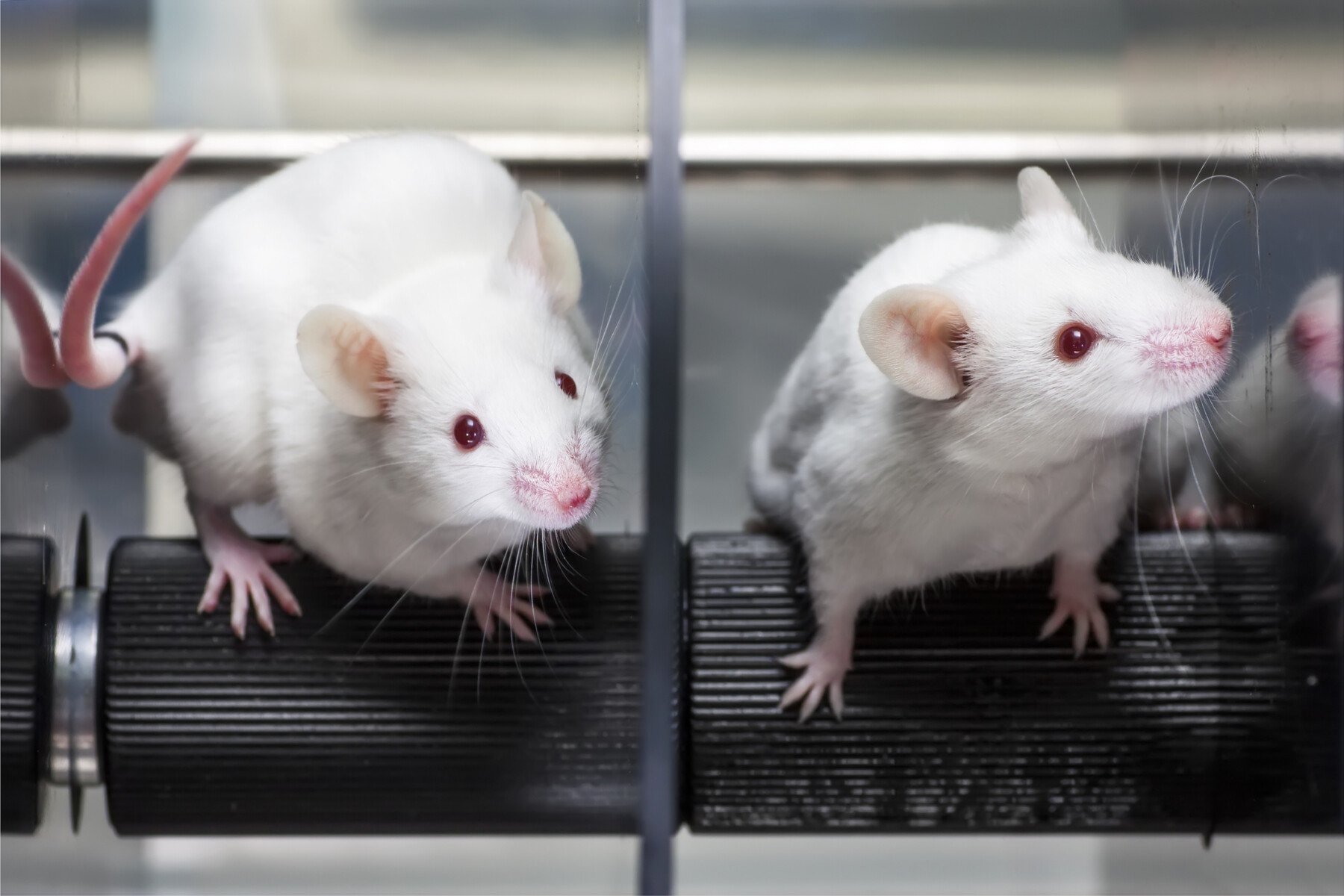
Delivering the plant-derived compound baicalein to the brain improved movement, coordination, and balance in a mouse model of Parkinson's. (Image from iStock)
- In new research, engineered tiny particles successfully delivered a plant-derived compound into the brain, alleviating Parkinson’s symptoms in mice.
- The compound, baicalein, is found in thyme and Indian trumpetflower, and mainly in the roots of plants such as Chinese skullcap.
- The treatment aims to reduce brain inflammation and restore enzyme levels, but longer-term safety studies in humans are still needed.
The use of tiny particles, called nanoparticles, engineered to deliver a plant-derived compound to the brain was shown to improve movement, coordination, and balance in a mouse model of Parkinson’s disease.
Treatment with baicalein — among the compounds found in the roots of plants and in the herb thyme — is intended to restore levels of an enzyme called OGG1 in microglia, the brain’s resident immune cells. Reduced OGG1 activity in these cells is thought to promote persistent brain inflammation and nerve cell damage that may contribute to Parkinson’s.
The delivery system, called RVG/MG1-M@PC@BAI nanoparticles (NPs), was designed to carry baicalein across the blood-brain barrier, a protective membrane that controls what substances can enter the brain from the bloodstream, and deliver it to microglia.
“RVG/ MG1-M@PC@BAI NPs represent an OGG1-targeted synergistic nanoplatform, providing a promising strategy for [Parkinson’s disease] therapy,” the researchers wrote, noting that the approach “converts [baicalein] into a brain-[penetrating] therapeutic drug with superior efficacy.”
The scientists say the results of this research suggest that this may be “a promising disease-modifying approach” for treating Parkinson’s.
Their study, “Baicalein-loaded procyanidins nanoparticles alleviate neuroinflammation in Parkinson’s disease by restoring microglial 8-oxoguanine DNA glycosylase 1,” was published in the Journal of Controlled Release.

Parkinson’s is a progressive neurological disease in which nerve cells that produce dopamine, a brain chemical involved in controlling movement, gradually become damaged and die. The resulting loss of dopamine leads to the disease’s hallmark symptoms — tremor, muscle stiffness, slowed movement, and balance problems.
Exactly what causes these nerve cells to die is not fully understood, but growing evidence suggests that brain inflammation may contribute. Microglia normally help protect nerve cells but can also release harmful inflammatory substances when overactive.
One factor thought to contribute to this process is reduced activity of OGG1, an enzyme that helps repair DNA damaged by oxidative stress, which occurs when harmful molecules accumulate in cells. This can allow damaged DNA to build up and trigger inflammation, potentially contributing to nerve cell damage.
Looking at plant compounds to treat Parkinson’s
Baicalein is a naturally occurring compound found mainly in the roots of plants such as Chinese skullcap, also known as Huang Qin (Scutellaria baicalensis) and skullcap (Scutellaria lateriflora). It is also found in Indian trumpetflower (Oroxylum indicum) and thyme.
The compound has shown potential to restore OGG1 levels in microglia and reduce brain inflammation. However, its poor solubility and limited ability to reach the brain have hindered its development as a potential Parkinson’s treatment.
To overcome these limitations, researchers in China developed RVG/MG1-M@PC@BAI NPs. These NPs are made from procyanidins, plant compounds with their own antioxidant and anti-inflammatory properties, and loaded with baicalein.
To help them remain in circulation longer, the NPs are coated with membranes from red blood cells and microglia. Two molecules are also added to their surface: RVG29 to help them cross the blood-brain barrier and MG1 to target overactive, inflammation-promoting microglia.
Initial experiments in the lab and mice showed that the targeted NPs could cross the blood-brain barrier, accumulate in the brain, and preferentially enter activated microglia, the researchers noted.
The team then tested the NPs in mice given MPTP, a chemical that damages dopamine-producing nerve cells and causes Parkinson’s-like symptoms. The scientists noted that the MPTP-treated mice showed reduced movement and poorer balance and coordination relative to healthy mice.
Compared with untreated mice with Parkinson’s-like symptoms, those receiving targeted NPs showed better outcomes in assessments, traveling farther in an open area, staying longer on a rotating rod, and taking less time to turn and descend a vertical pole. These findings indicated improved motor activity, balance, and coordination for the treated mice, per the team.
Benefits were evident by day seven and maintained through day 14, with motor improvements comparable to those seen in mice treated with levodopa, a standard Parkinson’s medication.
Encouraging changes seen in 2 brain regions
The researchers also found encouraging changes in two brain regions particularly affected by Parkinson’s, namely the substantia nigra and the striatum. Levels of tyrosine hydroxylase (TH) and dopamine transporter (DAT) — proteins associated with the health and function of dopamine-producing nerve cells — were reduced in untreated mice with Parkinson’s-like symptoms but increased in mice treated with the targeted NPs.
These increases were generally greater than those observed in mice treated with baicalein and procyanidins given together without a delivery system, or with NPs lacking the targeting modifications, the researchers noted.
The targeted NPs also increased OGG1 levels and reduced the accumulation of 8-oxoguanine (8-oxoG), a marker of oxidative DNA damage, in the same brain regions.
Levels of NLRP3, a protein involved in triggering inflammation, also fell, while other changes suggested that microglia shifted toward a less inflammatory state. These effects were generally stronger than with the other baicalein and procyanidin formulations, according to the researchers.
Unlike the targeted NPs, levodopa improved movement without producing the same changes in OGG1 levels or markers of DNA damage, the scientists noted.
Additional experiments in lab-grown microglia from mice supported OGG1’s role in the targeted NPs’ anti-inflammatory effects. Specifically, blocking its activity weakened their ability to reduce DNA damage and inflammation.
Initial safety tests in the mice found no obvious damage to major organs or substantial abnormalities in blood tests. However, longer-term safety, including the possibility of immune reactions with repeated treatment, remains to be established, the team noted.
“Collectively, this work establishes OGG1 restoration in microglia as a viable therapeutic strategy for [Parkinson’s disease] and positions RVG/MG1-M@PC@BAI NPs as a promising candidate for clinical translation,” the researchers concluded.




Leave a comment
Fill in the required fields to post. Your email address will not be published.