
Brain chemical changes may be tied to Parkinson’s cognitive issues
Study highlights role of cerebellum in Parkinson's learning, memory problems
Written by |
- Chemical changes in the cerebellum, particularly involving the neurotransmitter glutamate, are linked to cognitive impairment in Parkinson's disease.
- Patients with cognitive issues showed reduced glutamate signaling markers, especially in the right side of the cerebellum.
- Researchers emphasize the need for larger studies to validate findings and track how these brain changes progress.
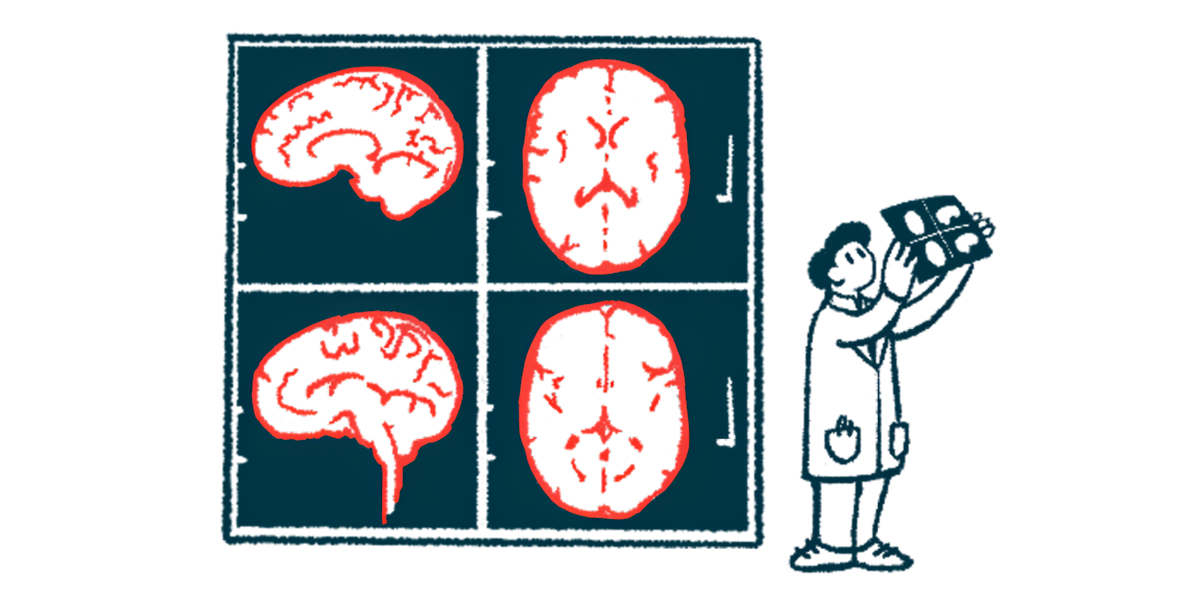
Chemical changes in the brain region known as the cerebellum may play a key role in the cognitive issues experienced by people with Parkinson’s disease, a study found. The researchers used specialized MRI scans to track glutamate, a brain signaling molecule, and pinpoint the connection.
The team stressed, however, that the study was limited to a small number of patients, and emphasized the need for further tests to validate their findings. Still, they said, their findings “highlight the potential role of [the] cerebellum in [Parkinson’s]-related cognitive dysfunction.”
The study, “Cerebellar Glutamate Chemical Exchange Saturation Transfer Alterations Correlated With Cognitive Impairment in Parkinson’s Disease,” was published in NMR In Biomedicine.
Cognitive issues, such as difficulty with learning and memory, are common nonmotor symptoms of Parkinson’s. But the specific changes in the brain that lead to cognitive problems in Parkinson’s are not well defined.

Glutamate is key in brain signaling
Brain cells use specialized signaling molecules called neurotransmitters to communicate with each other. Parkinson’s is caused by the loss of brain cells that produce dopamine, a neurotransmitter that helps control movement, thought, and emotion.
Glutamate is another key neurotransmitter in the brain. It is one of the brain’s main excitatory neurotransmitters; in other words, it signals nerve cells to activate and fire electrical signals. Glutamate plays vital roles in regulating a host of processes in the brain, and previous studies have suggested that abnormalities in glutamate signaling may contribute to some Parkinson’s motor symptoms, but it remains unclear whether glutamate also contributes to cognitive issues.
An MRI-based imaging technique called GluCEST (glutamate chemical exchange saturation transfer) can quantify glutamate levels across different brain regions. For the study, researchers in China used GluCEST to analyze the brains of 64 people with Parkinson’s. Based on standard assessments, 41 of these patients had cognitive impairment, and the other 23 did not.
The researchers found that several GluCEST-based imaging parameters varied significantly between patients with cognitive impairment and those without, and were also significantly correlated with standardized cognitive tests among patients with impairment.
In particular, they found that cognitive impairment was associated with reduced GluCEST parameters in the cerebellum, a brain region known to help regulate both movement and thinking. The cerebellum has a two-sided structure, and while both sides contribute to movement, the right side is especially key for cognitive processing. Consistent with this, the researchers found that the reduction in GluCEST signals was most pronounced in the right side of the cerebellum.
“These findings suggest that cerebellar GluCEST metabolic alterations are associated with cognitive impairment in [Parkinson’s], with preferential involvement of the right cerebellar regions,” the researchers wrote. Since their study was limited to a few dozen patients assessed at a single point in time, they said, further research to track how GluCEST measurements in the cerebellum track with cognitive changes over time would be useful.
The scientists noted that it’s not possible to draw conclusions from the data alone about whether reduced glutamate signaling is a cause or a consequence of cognitive impairment. But based on known biology, the researchers suspect that glutamate changes in the cerebellum may occur because the brain is trying to compensate for problems elsewhere.
“Our findings support an association between cerebellar GluCEST changes and cognitive impairment in [Parkinson’s], particularly in the domains of attention/working memory and orientation. We speculate that these cerebellar metabolic alterations may represent a compensatory response to cognitive dysfunction,” the team wrote.



Leave a comment
Fill in the required fields to post. Your email address will not be published.