Parkinson’s muscle firing patterns different for women than for men
Study findings could inform development of personalized treatment strategies
Written by |
- Women with Parkinson's show more uneven muscle contraction than men.
- Differences stem from motor unit firing variability and discharge rates.
- This informs personalized diagnostics and sex-specific Parkinson's treatments.
Women with Parkinson’s disease have more uneven and unstable muscle contraction than men, even when their clinical symptoms are similar, a study found.
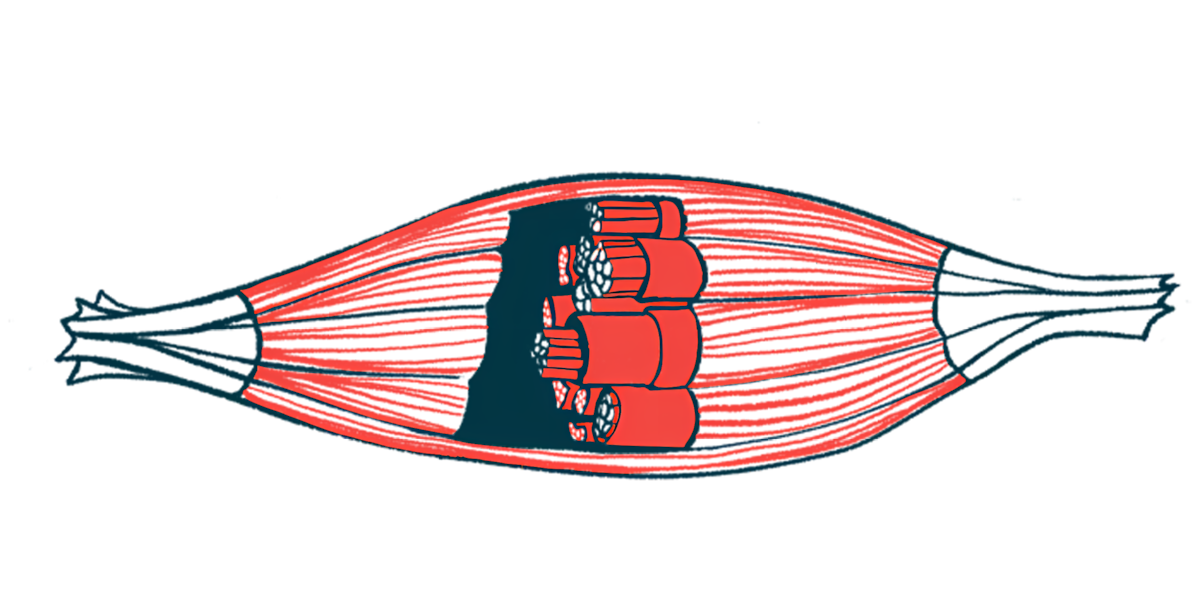
The differences are related to the firing of motor units; a motor unit is a single nerve cell and the muscle fibers it controls, which together produce movement.
Findings from the study, by researchers at Kanazawa University in Japan, could “contribute to the development of personalized diagnostic methods and treatment strategies that account for sex-specific factors, ultimately leading to more effective interventions and improved quality of life,” according to a university press release.
The study, “Sex Differences in Motor Unit Behavior in Patients with Parkinson’s Disease,” was published as a research report in the European Journal of Neuroscience by an international team of researchers.
Growing evidence suggests differences between men and women in how common Parkinson’s is and how its motor and nonmotor symptoms manifest. The researchers sought to determine whether there are sex differences in motor unit firing abnormalities in Parkinson’s patients.
Testing muscle strength
The study involved 14 women and 13 men with Parkinson’s. There were no significant differences between the sexes in age, height, or weight. Participants had been diagnosed with Parkinson’s for about the same length of time, and their motor symptoms, measured by the Unified Parkinson’s Disease Rating Scale (UPDRS) Part III, were similar.
The researchers tested muscle strength in the knee extensors, the muscles that straighten the knee. The more affected side was weaker than the less affected side in both men and women. However, there were no significant differences between men and women when comparing the same side.
The researchers identified a total of 353 motor units. In women, 84 motor units were recorded from the more affected side and 99 from the less affected side. In men, 76 were recorded from the more-affected side and 94 from the less affected side. On average, 4.63 motor units per patient were analyzed. To assess firing stability, the researchers measured the coefficient of variation (CV) of interspike intervals (ISIs). The interspike interval is the time between two consecutive nerve signals, and the CV reflects how regular or irregular the firing is. A higher value means more variability.
In women, the CV of the ISIs was significantly higher on the more affected side than on the less affected side (15.14 vs. 13.52). In men, there was no significant difference between sides (13.13 vs. 13.46). The difference between sides was larger in women than in men, showing greater asymmetry in women.
The researchers also examined discharge rate, the rate at which motor units fire, measured in pulses per second (pps). On average, discharge rates were higher on the more affected side than on the less affected side both in men (10.53 vs. 9.85 pps) and women (11.71 vs. 10.22 pps). Women had higher discharge rates on the more-affected side than men did (11.71 vs. 10.53 pps).
Because these findings suggested greater motor control disruption in women, the researchers examined whether these motor unit measures were related to clinical severity. On the more-affected side — but not on the less-affected one —both firing variability and discharge rate were significantly correlated with UPDRS Part III scores in men and women.
“Sex differences in motor unit behavior exist in Parkinson’s,” the researchers wrote. Changes in motor unit firing, especially when uneven, are closely linked to more severe symptoms in Parkinson’s and may provide a sensitive way to measure disease beyond standard clinical testing, they said.